
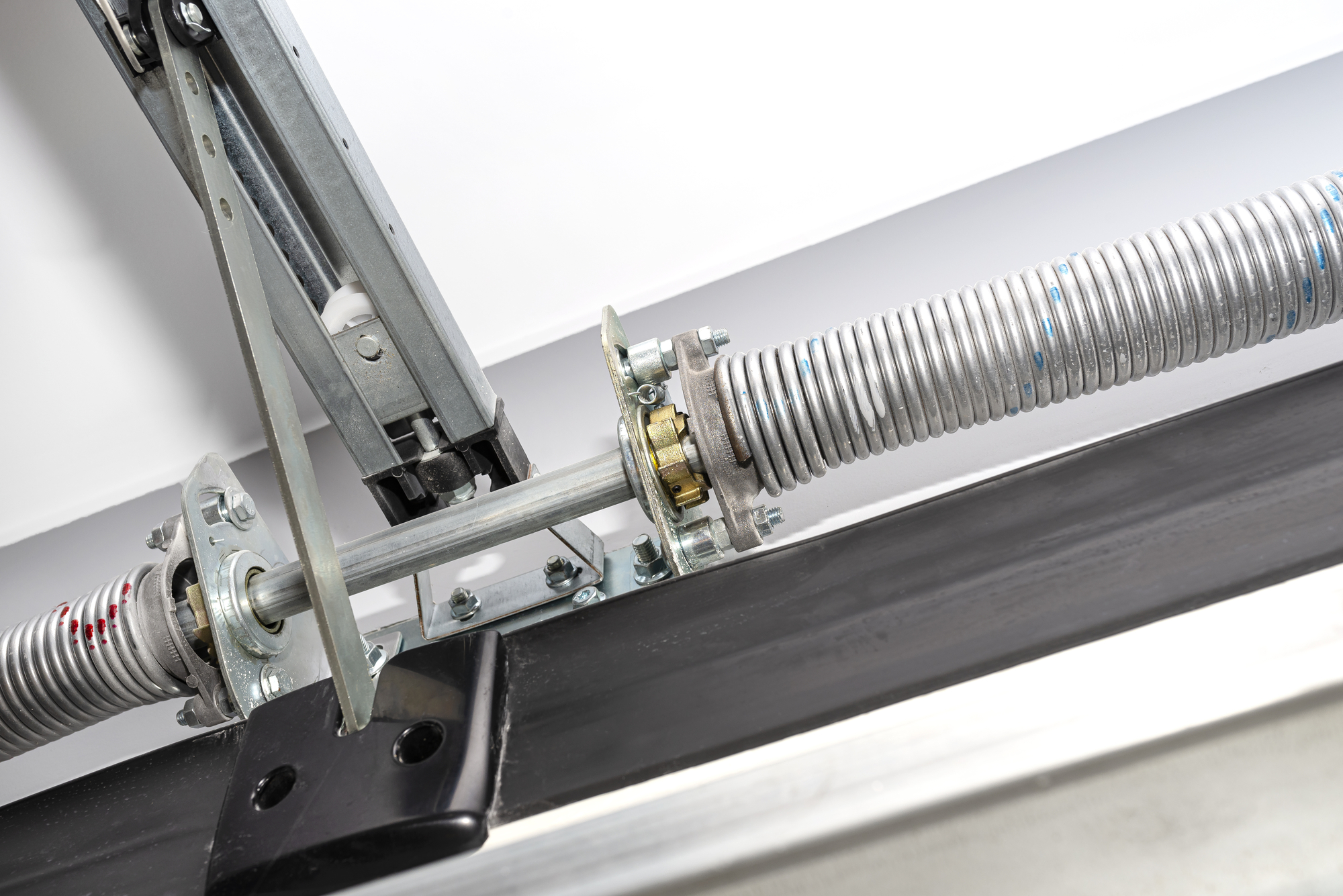
Your garage door opens and closes hundreds of times each year, and at the heart of this seamless operation are the springs that counterbalance the door’s weight. These hardworking components bear tremendous tension—sometimes up to 200 pounds of force—making them one of the most critical parts of your garage door system.
When a garage door spring breaks, it’s not just an inconvenience; it’s a serious issue. It can render your garage door completely inoperable, trap your car inside, or worse, create serious safety hazards for you and your family. The good news? Broken springs rarely fail without warning. Knowing what signs to look for can help you identify problems early and take appropriate action.
This guide will walk you through the telltale signs of a broken garage door spring, explain why professional repair is essential, and share maintenance tips to extend the life of your springs. By the end, you’ll know exactly what to watch for and when to call for help.
Signs of a Broken Garage Door Spring
Visual Indicators
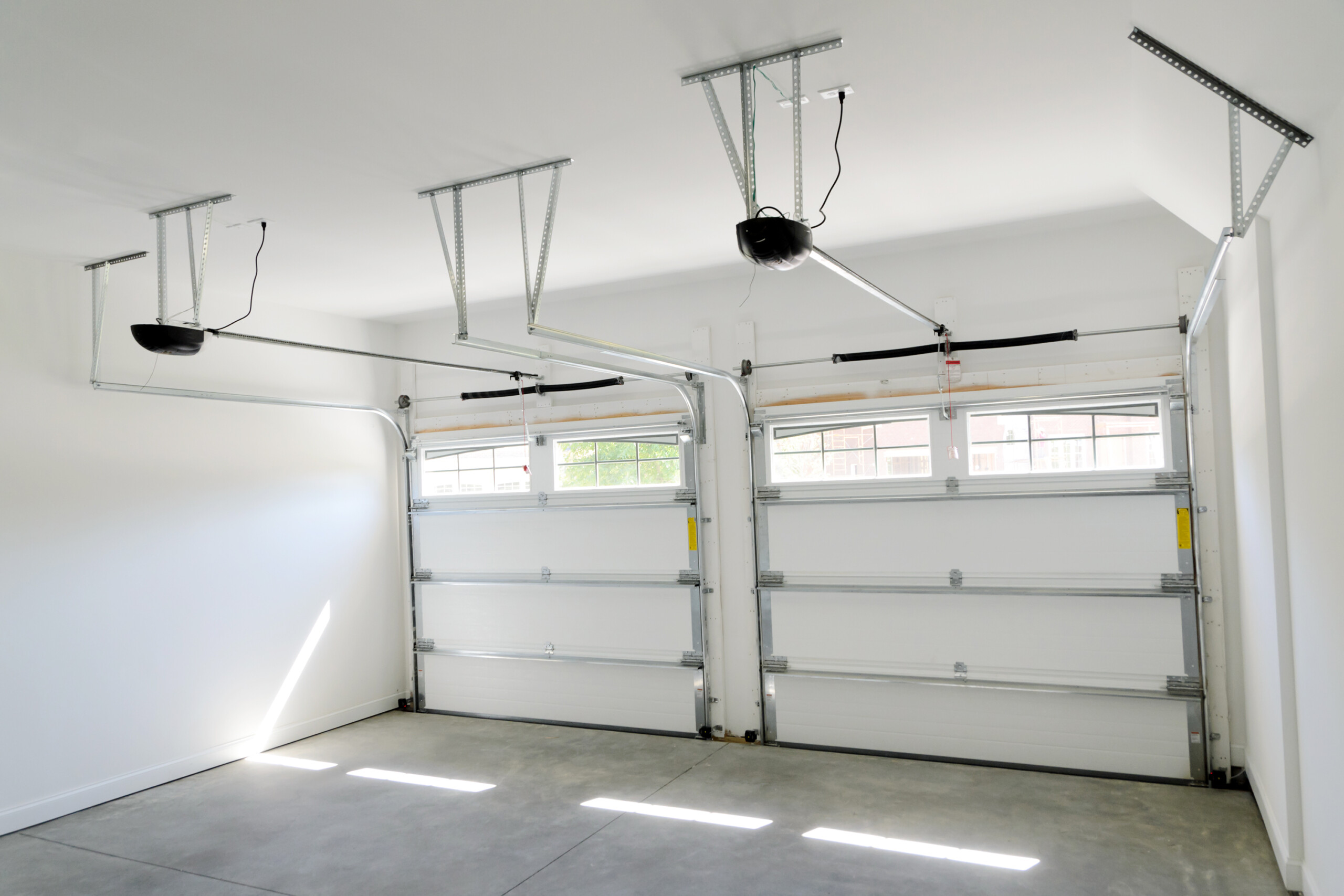
The most obvious sign of a broken spring is seeing it separated into two pieces. Garage door springs are under enormous tension, so when they fail, they often break with a loud snap that leaves a visible gap in the coil. Check both sides of your garage door—you’ll typically find springs mounted horizontally above the door or vertically along the sides.
Look for these visual clues:
Separation in the spring coil: A broken spring will have a clear gap where the metal has snapped, usually somewhere in the middle of the coil.
Loose or hanging cables: If you notice cables hanging loosely or sitting on the floor, this often indicates spring failure. The springs and cables work together, so when the springs break, the cables lose their tension.
Door sitting crooked or uneven: A door that appears lopsided when closed may have a broken spring on one side, causing uneven weight distribution.
Visible wear on spring coils: While not necessarily indicating a break, springs showing signs of stretching, rust, or gaps between coils are warning signs of impending failure.
Operational Problems
Beyond visual signs, you’ll notice immediate changes in how your garage door operates:
Door won’t open at all: This is the most common result of spring failure. Your garage door opener can’t lift the full weight of the door without properly functioning springs.
Door opens only a few inches: Sometimes a door with broken springs will lift slightly before the opener’s safety mechanism kicks in, recognizing the excessive weight.
Door opens very slowly: If your door takes much longer than usual to open, weakened or partially broken springs might be struggling to provide adequate counterbalance.
Opener strains or makes unusual noises: You might hear your garage door opener working harder than normal, making grinding or straining sounds as it attempts to compensate for failed springs.
Audible Warning Signs
Many homeowners first discover spring problems through sound:
Loud bang or snap: The sound of a spring breaking is unmistakable—a sharp, loud crack that often startles residents. This typically happens when the garage is quiet, such as during temperature changes in the early morning or evening.
Grinding or squealing: Springs nearing failure often produce grinding, squealing, or groaning sounds during door operation.
Unusual rattling: Broken springs may cause other components to rattle or vibrate as the door moves.
Safety Precautions
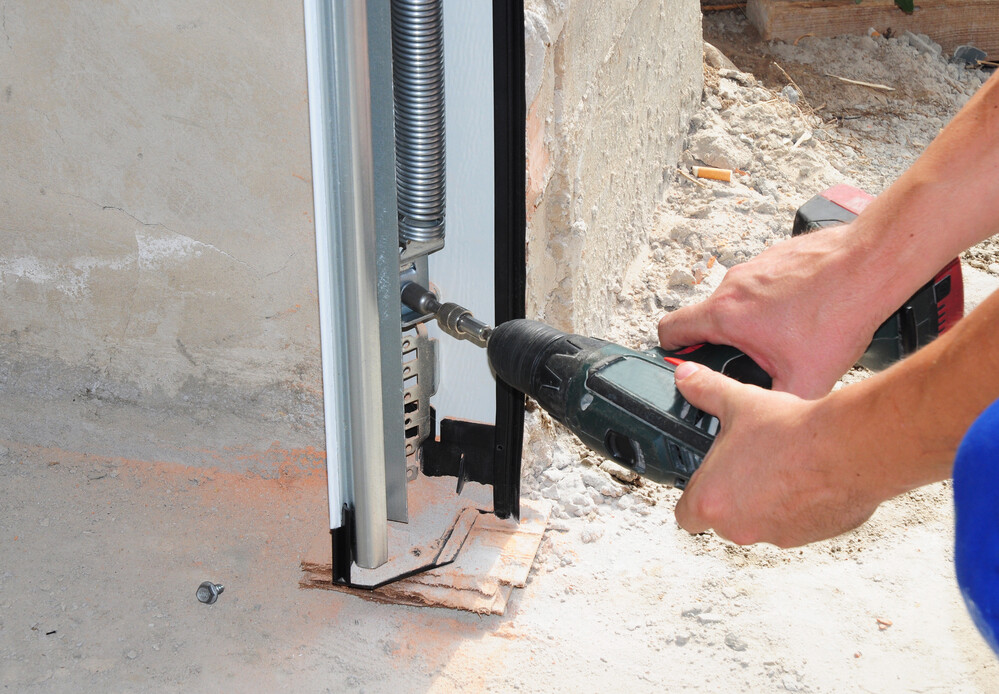
Here’s what you need to know: garage door spring repair is not a DIY project. These springs contain enough stored energy to cause serious injury or death if handled improperly. Professional technicians use specialized tools and have extensive training to safely manage the high tension involved.
Never attempt to:
- Remove or replace springs yourself
- Adjusting spring tension without proper tools
- Continue operating a door with broken springs
- Allow children or pets near a malfunctioning garage door
If you suspect spring problems, disconnect your automatic opener and avoid using the door until a professional can inspect it. Most garage doors have a manual release cord that allows you to disconnect the opener, but even manual operation can be dangerous with broken springs.
When to Call a Professional
Don’t wait when you notice signs of spring failure. Contact a qualified garage door technician immediately if you observe any of the warning signs mentioned above. Professional repair services bring several advantages you can’t replicate on your own.
Certified technicians have the right tools for the job—specialized winding bars, safety equipment, and replacement springs designed for your specific door weight and size. They can quickly diagnose the problem, often identifying issues you might miss, such as worn cables, misaligned tracks, or opener problems that contributed to spring failure.
Professional repair also comes with warranties on both parts and labor, giving you peace of mind that the job is done correctly. Most reputable companies offer emergency service for situations where broken springs leave you unable to access your garage.
When choosing a repair service, look for:
- Licensed and insured technicians
- Positive customer reviews and ratings
- Warranty coverage on repairs
- Transparent pricing with upfront estimates
- Emergency service availability
Maintenance Tips to Extend Spring Life
While springs will eventually wear out, proper maintenance can significantly extend their lifespan and help you avoid unexpected failures.
Regular lubrication is your first line of defense. Apply garage door lubricant to spring coils every three to four months, focusing on the pivot points and bearings. Use only lubricants specifically designed for garage doors—household oils can attract dirt and debris.
Visual inspections should happen monthly. Look for signs of wear, rust, or stretching in the spring coils. Check that cables remain properly seated in their grooves and that no fraying is visible.
Balance testing helps identify problems early. With the door closed and the opener disconnected, manually lift the door halfway and release it. A properly balanced door should stay in place or move only slightly. If it falls quickly or shoots up, your springs may need adjustment.
Professional tune-ups every one to two years can catch problems before they become emergencies. During these visits, technicians can adjust spring tension, lubricate all moving parts, and replace worn components before they fail.
Temperature considerations matter more than you might think. Extreme cold can make springs more brittle and prone to breaking. If possible, keep your garage heated during the winter months, or at least avoid using the door during the coldest parts of the day.
Don’t Gamble With Garage Door Safety
Garage door springs are hardworking components that deserve your attention and respect. The warning signs of failure are usually clear—visible breaks, operational problems, and unusual sounds all indicate it’s time for professional help.
Remember, attempting DIY spring repairs puts you at serious risk of injury. The stored energy in these springs demands specialized knowledge and tools that only trained technicians possess. When you notice any signs of spring problems, disconnect your opener and contact a qualified repair service immediately.
Regular maintenance can help prevent unexpected failures and extend the life of your springs, but even well-maintained springs will eventually need replacement. By staying vigilant and working with professionals when problems arise, you’ll keep your garage door operating safely and reliably for years to come.
Ready to schedule a professional inspection? Don’t wait for a complete failure—contact a certified garage door technician today to ensure your springs are in good working order.
