
When most people think about a “door,” they imagine something simple — a slab of wood or metal that opens and closes. But a fire door is far more than that. It’s a carefully engineered, tested, and certified “door-set” — a system designed to protect lives and property by slowing the spread of fire and smoke through a building.
In this post, we’ll break down the key components of a fire door, explain how each part contributes to safety, and why all of them must work together correctly — because missing or mistreated parts can turn a “fire-rated” door into a danger instead of protection.
What Is a Fire Door — In Technical Terms
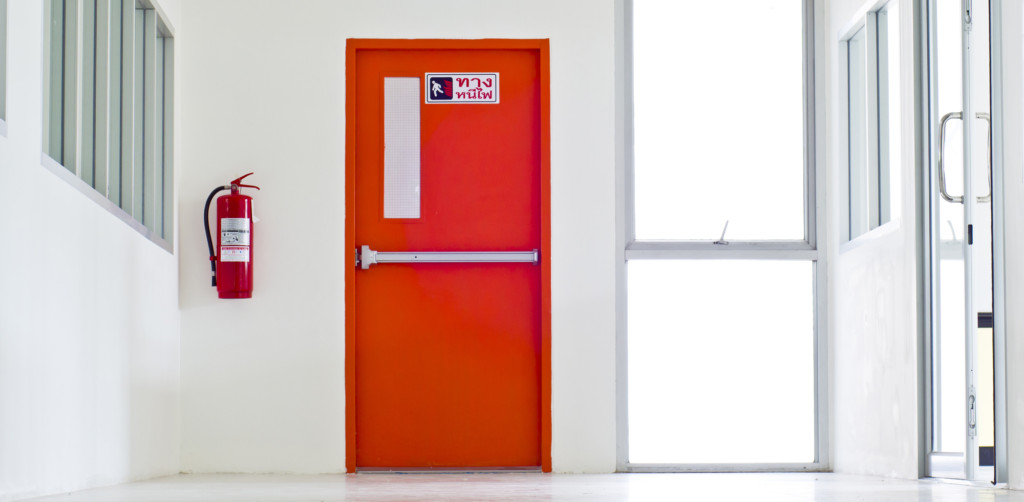
-
A fire door is not just the door leaf — it is a fully assembled “doorset.” That includes the door leaf, the frame, all hardware, seals, glazing (if any), and the surrounding wall/assembly into which it is installed.
-
Fire-rated doors are tested under controlled conditions (e.g., under standards like ASTM E119 or equivalents) to meet a specified duration of fire resistance, such as 20, 30, 60, 90, or even 180 minutes.
-
However — and this is critical — the fire rating only holds if every part of the assembly is correct: correct door leaf, correct frame, correct hardware, correct seals, proper installation, correct clearances. Swap one component or install incorrectly — and the rating becomes invalid.
That’s why, for homeowners or building owners working with a door-service company like Superior Door, understanding what makes a fire door more than “just a heavy door” can help make smarter decisions about safety, compliance, and maintenance.
The Key Parts of a Fire Door and Their Roles
Here are the major components that make up a certified fire door — and why each matters:
Door Leaf (Door Panel)
-
This is the main “door slab.” For fire doors, the leaf is typically made from fire-resistant materials, such as steel, fire-rated timber, or other composite/insulated cores designed to resist flames and heat and maintain integrity in a fire.
-
The door leaf may also include a small glazed (glass) panel — but only if that glazing is fire-rated glass, and approved for use within that rated door. Ordinary glass fails early under heat and can compromise the door’s integrity.
Door Frame & Surrounding Assembly
-
A fire door must be mounted in a compatible fire-rated frame. The frame must match or exceed the door’s fire-protection rating to keep the assembly certified.
-
Installation quality matters: gaps must stay within permitted clearances. Over-large or uneven gaps around the leaf or under the door can allow fire or smoke to bypass the door — defeating its purpose.
Intumescent & Smoke Seals (Edge Seals, Perimeter Seals, Threshold Seals)
-
These are perhaps the most critical “hidden components.” Fire doors often feature “intumescent strips” around the edges. Under normal conditions, these strips appear inert — but in extreme heat, they expand rapidly, sealing gaps between the door and frame to block flames, hot gases, and smoke.
-
Many fire doors also include “smoke seals” (or combined fire-and-smoke seals). These help prevent toxic smoke from passing through gaps, which is often a greater hazard than fire itself, especially early in a fire event.
-
It’s crucial that seals — and their installation method (rebated or surface-mounted) — match required certifications. Improper seals or painted-over intumescent strips can stop the door from performing.
Fire-Rated Hardware (Hinges, Closers, Latches, Panic Bars / Exit Devices, Locks)
-
The hinges, door closer (or self-closing mechanism), latch/lock, and any panic exit devices (for commercial settings) must be fire-rated and compatible with the door assembly. Regular hardware often fails early under fire conditions.
-
A self-closing device is often required: during a fire, the door must automatically close to form a barrier. If the door stays open, the fire protection is nullified.
-
For double-door configurations (paired doors), sometimes a “door sequencer” or coordinator is needed to ensure both leaves close in the correct order.
Fire-Rated Glazing (If Applicable)
-
If a fire door has a glass panel (for light or visibility), that glass must be “fire-resistant glazing,” tested as part of the door assembly. Ordinary glass rapidly fails under fire.
-
The glazing and its frame/beading must meet the same fire-rating standards as the rest of the door. A mismatched or uncertified glazed panel voids the fire rating.
Label / Certification Tag & Documentation
-
A compliant fire door assembly should have a visible certification label (or metal tag) that indicates its fire rating (minutes), testing standard, and listing agency. This shows it has passed fire-resistance testing and is certified for use.
-
If that label is missing, removed, painted over — or if non-certified parts are substituted — the door may no longer be compliant or safe in a fire.
What This Means for Homeowners & Business Owners — And Why Superior Door Matters

At Superior Door, when we talk about fire-door installation or inspection, we’re not just hanging a heavy slab. We’re delivering a fully certified, tested fire-door assembly — including:
-
Fire-rated door leaf + frame
-
Proper intumescent & smoke seals
-
Certified hardware (hinges, closers, latches, panic devices if required)
-
(If needed) Fire-rated glazing, properly installed
-
Correct installation, proper clearances, and a visible certification tag
We also carry out thorough inspections and maintenance — because wear and tear, modifications, paint-overs, or seal damage over time can degrade fire performance.
For building owners, facility managers, or even homeowners with attached garages or multi-family properties, investing in a certified, properly installed fire door isn’t optional. It’s a critical, code-compliant safety measure.
Final Thoughts: Fire Door Safety Starts with Understanding the Parts
A fire door isn’t just a heavy door — it’s a lifesaving system. Each part — from the door leaf to the tiniest seal — plays an important role. And only when all components are correct and properly installed does the door fulfill its function: slowing fire, blocking smoke, and giving people precious time to escape while protecting property.
If you’re unsure about the integrity or certification of your existing doors — or need new fire-door installations or upgrades — let Superior Door help. We understand that safety, compliance, and peace of mind all begin with precision.