
Your garage door opens and closes thousands of times each year, making it one of the hardest-working components of your home. With all that daily use, it’s no surprise that garage doors eventually need repairs. Understanding the most common issues can help you identify problems early, potentially saving you hundreds of dollars in emergency repair costs.
Most garage door problems fall into predictable categories, and recognizing the warning signs can mean the difference between a simple fix and a complete system replacement. While some repairs require professional expertise for safety reasons, knowing what to look for empowers you to make informed decisions about maintenance and repairs.
Whether you’re hearing strange noises, noticing slower operation, or dealing with a door that won’t open at all, this guide will walk you through the most frequent garage door problems homeowners face and what you can do about them.
Broken Springs: The Silent System Killer
Garage door springs bear the entire weight of your door, making them the most critical—and most commonly replaced—component of your system. These hardworking parts have a limited lifespan, typically lasting 7-10 years with normal use.
Understanding Spring Types
Most garage doors use one of two spring systems. Torsion springs mount above the door opening and twist to lift the door’s weight. Extension springs run along the horizontal tracks on either side of the door and stretch to counterbalance the door’s weight. Torsion springs generally last longer and provide smoother operation, while extension springs are less expensive but require more frequent replacement.
Warning Signs of Spring Failure
You’ll often hear a broken spring before you see it. A loud bang or crack, especially during cold weather, typically signals spring failure. Other warning signs include a door that feels unusually heavy when lifted manually, visible gaps in the spring coil, or a door that opens only a few inches before stopping.
If your garage door opener is struggling or making grinding noises, broken springs might be forcing the motor to work harder than designed. Never attempt to operate a door with broken springs, as this can damage the opener and create safety hazards.
Safety First: Why Professional Help Matters
Spring replacement requires specialized tools and knowledge of high-tension systems. The springs store enormous energy—enough to cause serious injury or death if mishandled. Professional technicians have the proper equipment and training to safely remove old springs and install replacements.
Off-Track Doors: When Your Door Goes Rogue
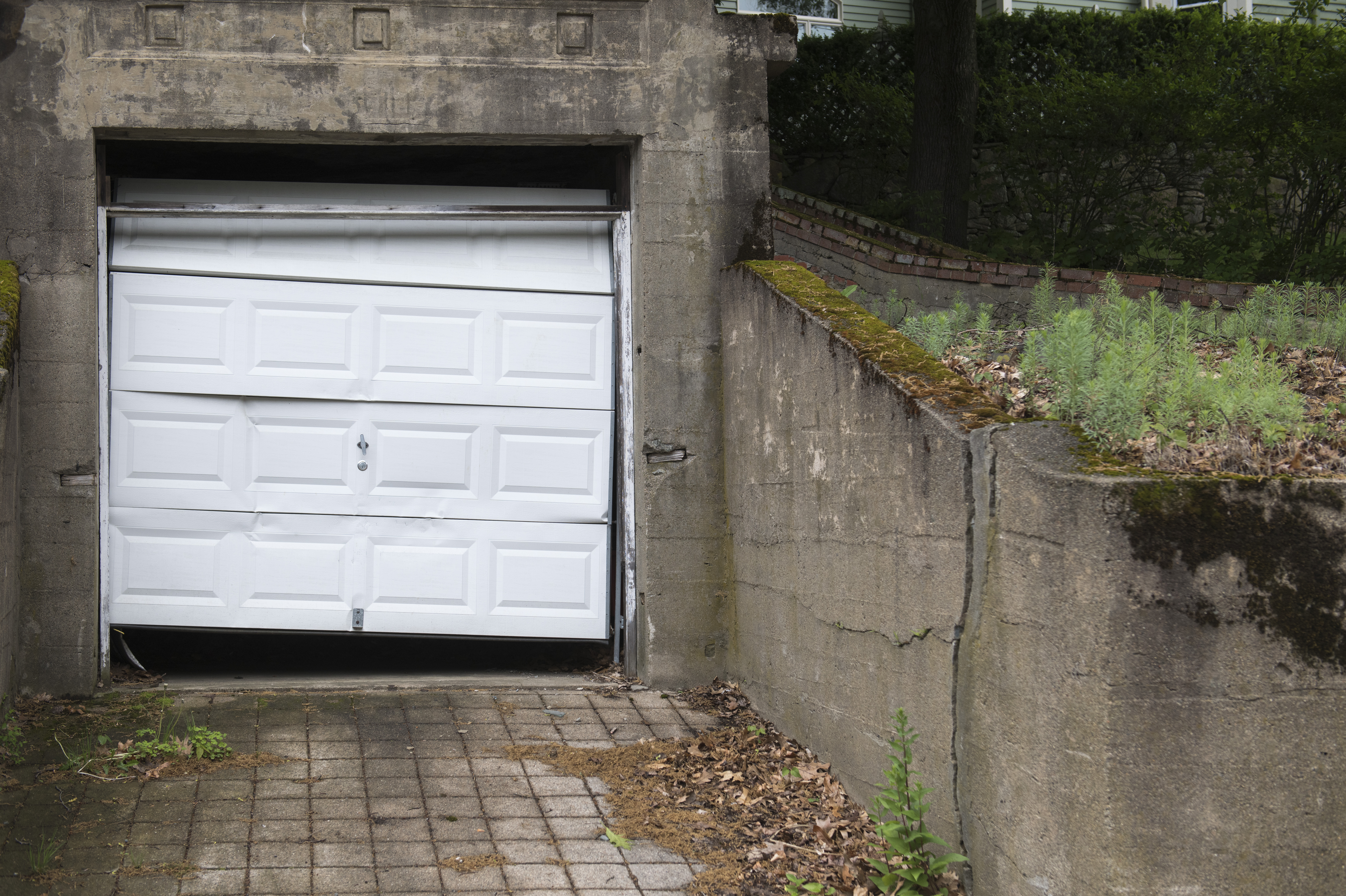
A garage door that jumps off its tracks creates an immediate safety concern and can cause extensive damage if not addressed quickly. Track problems often start small but escalate rapidly without intervention.
Common Causes of Track Issues
Several factors can force your door off its tracks. Broken or worn rollers can’t maintain proper alignment, especially if they’re made of plastic rather than durable steel or nylon. Loose hardware allows tracks to shift position over time, while bent tracks from impact damage create ongoing alignment problems.
Temperature changes can also affect track alignment, as metal expands and contracts with weather fluctuations. Additionally, uneven spring tension can pull the door to one side, gradually forcing it out of proper alignment.
Recognizing Track Problems Early
Visual inspection reveals most track issues before they become serious problems. Look for gaps between the rollers and track, bent or damaged track sections, or loose mounting bolts. You might notice jerky movement, unusual noises during operation, or the door binding during opening or closing cycles.
If you spot any of these warning signs, stop using your door immediately. Continuing to operate an off-track door can cause the cables to snap, panels to warp, or the entire door to fall.
Emergency Response Steps
When your door comes off its tracks, disconnect the opener immediately to prevent further damage. Never attempt to force the door back on track or continue operating it. Support the door if necessary to prevent it from falling, and contact a professional repair service promptly.
Malfunctioning Openers: When Convenience Becomes Frustration

Garage door openers combine mechanical and electrical systems, creating multiple potential failure points. Understanding common opener problems can help you determine whether you need professional service or can resolve the issue yourself.
Motor and Drive Problems
Opener motors can burn out from overuse, age, or forced operation with broken springs. You’ll typically hear grinding, humming, or complete silence when the motor fails. Drive systems—whether chain, belt, or screw drive—also wear out over time, causing slipping, jerking movements, or complete failure to engage.
Remote and Control Issues
Dead batteries cause most remote control problems, but interference from LED lights, Wi-Fi routers, or other electronics can also disrupt signals. Programming issues after power outages sometimes require resetting the opener’s memory and re-syncing all remotes.
Wall-mounted controls can fail due to loose wiring, worn switches, or programming glitches. Before calling for service, check that all connections are secure and the display shows normal operation indicators.
Sensor Malfunctions
Photo-eye safety sensors prevent doors from closing on objects or people in the door’s path. Dirty sensor lenses, misalignment, or damaged wiring can cause intermittent operation or prevent closing entirely. Clean the sensors regularly and ensure nothing blocks the beam between them.
Damaged Panels: Balancing Aesthetics and Function
Garage door panels face constant exposure to weather, impacts, and general wear. Deciding between repair and replacement depends on the extent of damage and the door’s overall condition.
Types of Panel Damage
Dents from vehicles, sports equipment, or severe weather are common panel problems. Small dents in steel doors can often be repaired using specialized tools, while aluminum panels may require replacement due to the metal’s properties. Wood panels can be patched, sanded, and refinished for minor damage, but may need replacement if rot or extensive splitting occurs.
Weather-related damage includes warping from temperature extremes, cracking from impact, and deterioration from moisture exposure. Composite and vinyl panels offer better weather resistance but can still suffer damage from severe impacts.
Repair vs. Replacement Decisions
Consider the door’s age, overall condition, and cost-effectiveness when evaluating panel damage. If your door is relatively new and only one panel is damaged, replacement makes sense. However, if multiple panels need work or the door is nearing the end of its lifespan, complete door replacement might be more economical.
Matching replacement panels can be challenging with discontinued door models or faded colors. Professional repair services can often source compatible panels or suggest alternatives that maintain your door’s appearance.
When to Call a Professional: Safety Should Always Come First
Certain garage door repairs should never be attempted as DIY projects. The combination of heavy weights, high-tension springs, and electrical components creates serious safety risks for untrained individuals.
Immediate Professional Help Required
Call a professional immediately for broken springs, off-track doors, or any situation involving damaged cables. These repairs require specialized tools and expertise to complete safely. Electrical problems with openers, especially issues involving the main power supply, should also be handled by qualified technicians.
If you’re uncomfortable with any aspect of a repair or lack the proper tools, professional service is always the safest choice. The cost of professional repair is minimal compared to potential injury or property damage from improper DIY attempts.
Choosing the Right Repair Service
Look for licensed, insured companies with positive customer reviews and transparent pricing. Quality repair services offer warranties on their work and use genuine manufacturer parts. Get multiple estimates for major repairs and ask about maintenance programs that can prevent future problems.
Invest in Prevention to Avoid Major Repairs
Regular maintenance prevents most garage door problems and extends your system’s lifespan significantly. Monthly visual inspections, seasonal lubrication, and prompt attention to minor issues can save you hundreds of dollars in major repairs.
Professional annual maintenance includes spring adjustment, track alignment, safety testing, and comprehensive system inspection. This small investment pays dividends by catching problems early and keeping your door operating smoothly for years to come.
Remember that your garage door system works as an integrated unit—neglecting one component often leads to problems elsewhere. By understanding these common repair issues and taking proactive steps to maintain your system, you’ll enjoy reliable operation.
