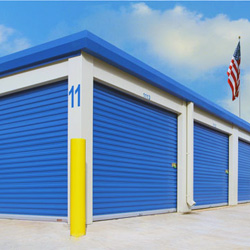
Self-storage facilities depend on doors that open smoothly, close securely and hold up to constant use, and when a roll-up door jams, a latch fails or a curtain gets dented, it affects tenant satisfaction, security and your ability to rent the unit. For storage facility operators and property managers across the Kansas City metro, knowing how to approach storage unit door repairs can save time, money and frustration. This guide covers the challenges unique to storage unit doors, security and accessibility considerations, when to repair or replace, and how to set up a maintenance contract.
Why Storage Unit Doors Face Unique Challenges
Storage unit doors work much harder than residential garage doors. A busy storage facility can see 20 or more open and close cycles per day on its doors, compared with roughly four for a typical residential garage door. That higher cycle rate means springs, curtains, guides and latches wear faster. Components that might last many years on a home garage door can need attention much sooner on a high-traffic facility.
Tenant use adds to the wear. Tenants may not be familiar with how roll-up doors operate, and some will force a door that is sticking, pull unevenly on the handle or let it slam closed. Moving trucks, dollies and carts can bump guides and bottom rails. In outdoor drive-up units, Kansas City weather adds another layer, with summer heat, spring storms, freezing temperatures and road salt tracked in during winter all taking a toll.
Because a storage facility may have hundreds of doors, small issues can multiply quickly. One door with a weak spring is an inconvenience. Dozens of doors with worn components can mean a steady stream of tenant complaints, unrentable units and emergency service calls. A planned approach to commercial door service helps you stay ahead of problems instead of reacting to them one at a time.
Your Storage Unit Garage Door Experts
(913) 354-7641
Security, Locks and ADA Considerations
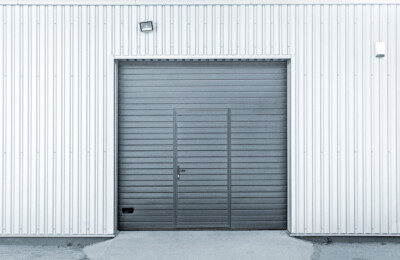 Security is one of the main reasons tenants choose a storage facility, and door hardware plays a direct role. Many facilities use disc locks because they are harder to cut than standard padlocks. Door latches and hasps need to be compatible with the lock types your facility uses or recommends. When repairing or replacing latches, choose tamper-resistant hardware that works with disc locks and holds up to repeated use.
Damaged curtains, bent guides and loose bottom rails can also create security gaps. A door that does not seat fully at the bottom may allow pests, water or even prying tools to get in. During repairs, check that the door closes completely, latches securely and that the curtain and guides are not damaged in ways that could be exploited. If your facility uses electronic access control or individual door alarms, coordinate door repairs so those systems continue to function correctly.
Accessibility is another important consideration. The Americans with Disabilities Act includes requirements for self-storage facilities, including a portion of accessible units and features that make doors and hardware usable for people with disabilities. Door handles, latch height and the force needed to operate the door can all play a role. When planning repairs or upgrades, talk with your door service provider and consult current ADA guidance to make sure accessible units remain compliant.
Repair vs. Replace and Maintenance Contracts
Not every damaged door needs to be replaced. Many common problems, such as worn springs, damaged latches, misaligned guides, broken bottom rails or minor curtain damage, can often be repaired. Repairs make sense when the curtain is in good shape overall and the issue is limited to individual components. A qualified technician can usually restore smooth operation and security without the cost of a full replacement.
Replacement becomes a better option when a door has extensive curtain damage, repeated failures, severe corrosion or parts that are no longer available. If you are spending money repeatedly on the same door, or if multiple components are failing at once, replacing the door may offer better long-term value. Replacement is also worth considering during facility upgrades, when matching door styles and colors improves curb appeal. You can review options on our storage unit garage doors page.
A maintenance contract helps you manage all of this more predictably. A good contract typically includes scheduled inspections, lubrication, spring and tension adjustments, latch checks and a documented list of repairs needed. It gives you a clearer picture of door condition across the property, helps you budget for repairs and reduces emergency calls. When setting up a contract, discuss inspection frequency based on your facility’s traffic, response expectations for urgent repairs and how findings will be reported. Learn more about our commercial door services.
Conclusion
Storage facility doors face far more use than residential garage doors, and keeping them secure, accessible and working smoothly takes a thoughtful approach. By understanding the unique wear on storage doors, choosing secure hardware, keeping ADA requirements in mind and making smart repair or replace decisions, property managers can protect both tenants and revenue.
If you manage a self-storage facility in the Kansas City metro, contact Superior Door Service for storage facility door repair or to discuss a commercial door maintenance contract. Our team serves Raytown, Kansas City, Overland Park, Olathe, Lee’s Summit, Independence, Shawnee and surrounding communities.
