
Your garage door opener works harder than almost any other appliance in your home. Operating multiple times daily, it needs to handle everything from harsh weather conditions to heavy lifting while keeping your family safe and secure.
With so many options available, selecting the right garage door opener can feel overwhelming. Should you prioritize quiet operation for bedrooms above the garage? Do you need smart home integration? What about horsepower requirements for your specific door?
This comprehensive guide will walk you through everything you need to know to make an informed decision. We’ll explore the different types of openers, essential features to consider, and practical tips to ensure you choose a system that serves your household for years to come.
Understanding the Four Main Types of Garage Door Openers
Belt Drive Openers: The Quiet Performer
Belt drive systems use a reinforced rubber belt to lift and lower your garage door. This design makes them the quietest option available, producing minimal vibration and operational noise.
Advantages:
- Exceptionally quiet operation
- Smooth, reliable performance
- Minimal maintenance requirements
- Ideal for homes with living spaces above or adjacent to the garage
Considerations:
- Higher upfront cost compared to chain drive systems
- May require more frequent belt replacement in extreme temperatures
Chain Drive Openers: The Reliable Workhorse
Chain drive openers utilize a metal chain to operate your garage door. They’re the most common type found in residential applications due to their durability and affordability.
Advantages:
- Most cost-effective option
- Extremely durable and long-lasting
- Handles heavy doors with ease
- Parts are readily available and affordable
Considerations:
- Noisier operation than belt or screw drive systems
- Requires periodic lubrication for optimal performance
Screw Drive Openers: The Low-Maintenance Choice
These systems move the door using a threaded steel rod. The trolley rides along this rod, lifting the door through rotational motion.
Advantages:
- Fewer moving parts mean less maintenance
- Consistent performance across various weather conditions
- Moderate noise levels
- Good balance of cost and performance
Considerations:
- Limited availability compared to belt and chain drives
- Not suitable for extremely heavy doors
Direct Drive Openers: The Premium Option
Direct drive systems feature the motor itself moving along a stationary chain. This innovative design eliminates many traditional moving parts.
Advantages:
- Exceptionally quiet operation
- Minimal vibration
- Strong warranty coverage (often lifetime motor warranties)
- Very low maintenance requirements
Considerations:
- Highest price point
- Limited model selection
Key Factors to Consider When Choosing Your Opener 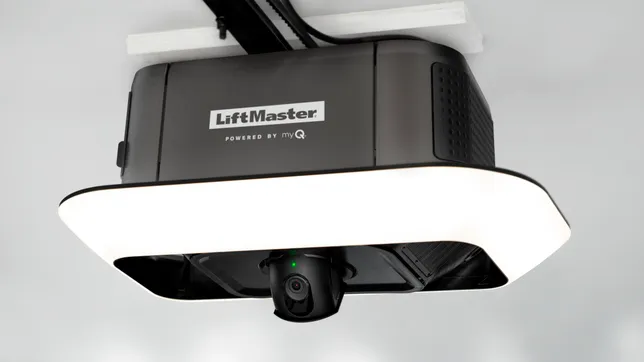
Noise Level: Matching Your Home’s Layout
How important is quiet operation for your household? If bedrooms or living areas are located above or near your garage, investing in a belt drive or direct drive system can significantly improve your family’s comfort.
Chain drive systems work well for detached garages or homes where noise isn’t a primary concern. Consider when you typically use your garage most frequently—early morning departures or late-night arrivals make quiet operation more valuable.
Safety Features: Protecting What Matters Most
Modern garage door openers include several critical safety features. Look for systems with:
- Automatic reversal mechanisms that stop and reverse the door if it contacts an object
- Rolling code technology that changes the access code each time you use your remote
- Manual release handles for emergency operation during power outages
- Motion detection lighting for improved visibility and security
Advanced systems may include smartphone alerts, temporary access codes for service providers, and integration with home security systems.
Horsepower Requirements: Matching Power to Performance
Garage door opener horsepower typically ranges from 1/2 HP to 1 1/2 HP. Your door’s size, weight, and material determine the appropriate power level:
- 1/2 HP: Suitable for standard single-car garage doors
- 3/4 HP: Ideal for heavier single doors or standard double doors
- 1 HP or higher: Necessary for heavy double doors, carriage house doors, or doors with significant insulation
Remember that higher horsepower doesn’t always mean better performance. An oversized motor can actually reduce the system’s lifespan through unnecessary wear and tear.
Smart Technology Integration: Controlling Your Garage Remotely
Smart garage door openers offer unprecedented convenience and security. These systems typically provide:
- Smartphone app control from anywhere
- Real-time notifications about door status
- Integration with voice assistants and smart home platforms
- Scheduling capabilities for automatic operation
- Temporary access codes for guests or service providers
Consider whether these features align with your lifestyle and budget. Basic models still provide reliable operation without the premium pricing of smart-enabled systems.
Budget Considerations: Balancing Cost and Value
Garage door opener prices vary significantly based on drive type, features, and horsepower. While it’s tempting to choose the least expensive option, consider the total cost of ownership, including:
- Energy efficiency ratings
- Expected lifespan and warranty coverage
- Maintenance requirements and part availability
- Installation complexity
A higher-quality opener often provides better value through lower operating costs and longer service life.
Installation and Maintenance Tips for Optimal Performance 
Professional Installation vs. DIY
While some homeowners successfully install garage door openers themselves, professional installation offers several advantages:
- Proper electrical connections and safety compliance
- Warranty protection (many manufacturers require professional installation)
- Expert adjustment of safety features and limits
- Time savings and reduced frustration
If you choose DIY installation, carefully follow the manufacturer’s instructions and prioritize safety testing of all automatic reversal features.
Regular Maintenance Extends Lifespan
Simple maintenance tasks can significantly extend your opener’s service life:
Monthly Tasks:
- Test automatic reversal by placing a board under the closing door
- Check remote battery levels and replace as needed
- Listen for unusual noises during operation
Annual Tasks:
- Lubricate chain or belt drive mechanisms according to manufacturer specifications
- Inspect and tighten all hardware connections
- Clean photo-eye sensors and check alignment
- Test the manual release mechanism
Professional Service:
Schedule professional maintenance every 2-3 years to ensure optimal performance and identify potential issues before they become costly repairs.
Making the Right Choice for Your Home
Selecting the perfect garage door opener requires balancing your specific needs with available options. Start by evaluating your priorities: Do you value quiet operation over cost savings? Is smart home integration worth the additional investment?
Consider your garage door’s specifications, your home’s layout, and your family’s usage patterns. A well-chosen opener will provide years of reliable service while enhancing your home’s security and convenience.
Ready to upgrade your garage door opener? Research specific models within your preferred drive type, read customer reviews, and obtain quotes from qualified installers. The right opener is an investment in your home’s functionality and your family’s daily comfort.
