
Fire doors play a critical role in protecting buildings, occupants, and assets during a fire. But not all fire doors are the same — they’re built and rated to different levels of fire resistance, depending on where and how they’ll be used. Understanding the various “classes” of fire doors helps business owners, facility managers, and homeowners make informed decisions about fire safety.
In this post, we break down the common fire-door classes (Class A, Class B, etc.), what they mean in practical terms, and how to choose the right one for your building.
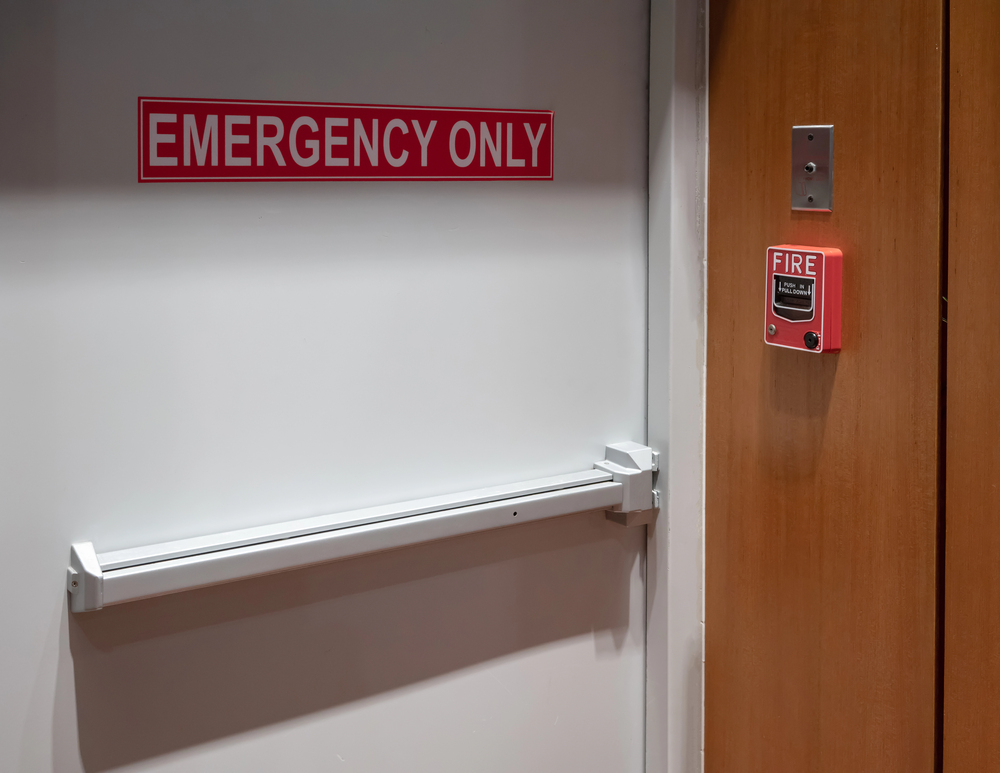
What Is a Fire Door — Quick Refresher
A fire door is more than just a heavy door. It’s part of a complete “fire-rated door assembly,” often called a “doorset,” that includes: the door leaf (panel), frame, hardware, seals, and sometimes glazing (glass), all built and certified to resist fire and smoke for a specified period.
Fire doors are tested under controlled conditions to meet fire-resistance ratings — often expressed in minutes (e.g., 30, 60, 90, 120 min) or as a “class/grade.” If properly installed and maintained, they help contain fire and smoke long enough for occupants to exit safely and for emergency responders to act.
Fire-Resistance Time Ratings: “FD30 / FD60 / FD90 / FD120…” vs. Class Labels
In many parts of the world (especially Europe), fire doors are also rated by how many minutes they can resist fire. Common ratings include:
-
FD30 – 30 minutes of fire resistance
-
FD60 – 60 minutes
-
FD90 – 90 minutes
-
FD120 – 120 minutes (2 hours) or more
These minute-based ratings often correspond to performance expectations similar to Class A or B, depending on the door’s materials, construction, and certification.
When selecting a fire door, it’s important to check both the class (if used) and the time-rating — and ensure every component (leaf, frame, hardware, seals) is certified and properly installed. A fire door is only as strong as its weakest component.
How to Choose the Right Class/Rating for Your Building 
When planning fire-door installation or replacement, consider these factors:
-
Risk level of the area: High-risk zones (stairs, chutes, fire-separation walls, high-occupancy spaces) — go for Class A / high minute rating.
-
Occupant load and evacuation needs: Areas where many people may pass (corridors, exits) benefit from higher-rated doors.
-
Building code / local fire safety regulations: Codes often specify minimum fire-door ratings based on occupancy type, use, floor levels, etc.
-
Function and use case: Storage rooms, mechanical rooms, corridors, and external entries may require different fire-door specifications.
-
Complete certified doorsets, not just door leaves: Remember—it’s not just the door panel that matters. Frame, hardware, intumescent seals, and installation quality are equally critical.
Why This Matters for Business & Property Owners — and for Our Clients at Superior Door
-
Fire-rated doors are not “one-size-fits-all.” Choosing the wrong class/rating — or worse, installing without proper certification — can compromise safety and put lives at risk.
-
Using appropriately rated doors protects property, inventory, equipment and helps ensure compliance with building codes, insurance, and fire-safety standards.
-
As professional door installers and inspectors, at Superior Door, we can help you select, certify, and install fire-door assemblies — and ensure every component meets required fire-resistance standards.
Final Thoughts
Fire doors are a vital element of passive fire protection — but their effectiveness depends heavily on correct class/rating, components, and installation. Recognizing the differences between Class A, B, C, etc. (or minute-based ratings like FD30, FD60, etc.) helps you make better safety decisions for your building.
If you’re unsure which fire door class or rating is appropriate for your facility or if you need professional evaluation, installation, or maintenance, the team at Superior Door is ready to help. Safety, compliance, and peace of mind are not optional when it comes to fire protection.
