
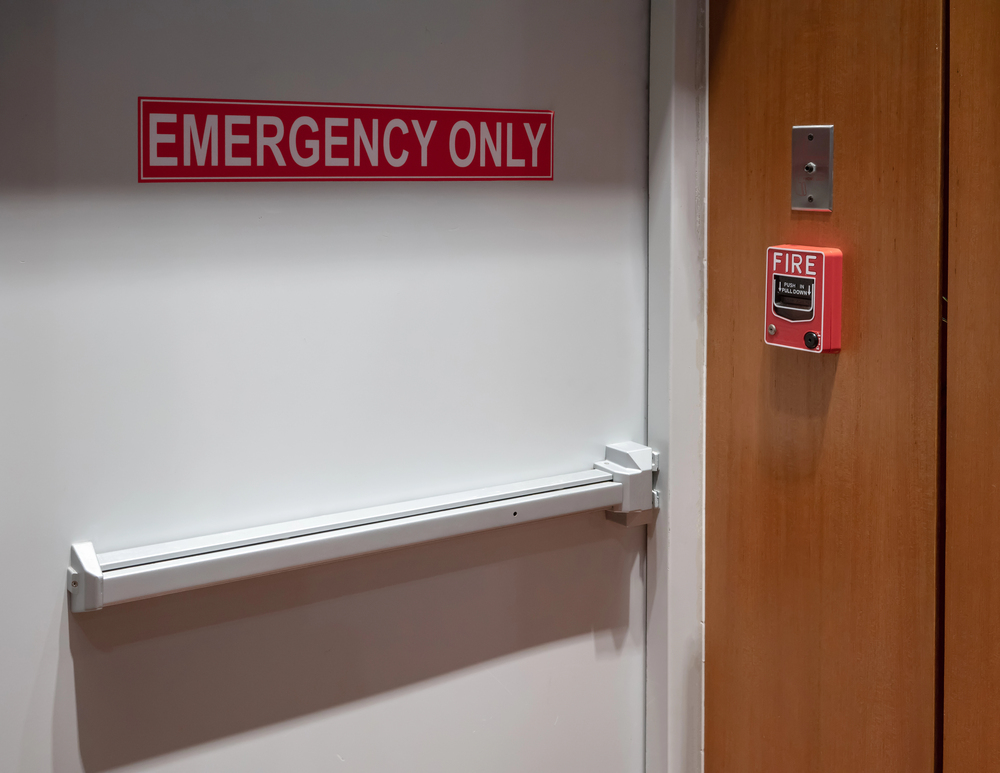
When fire strikes a building, every second counts. The difference between life and death often comes down to having the right fire protection systems in place—and fire-rated doors are among the most critical components of any comprehensive fire safety strategy.
Fire-rated doors serve as vital barriers that can contain flames, smoke, and toxic gases, giving occupants precious time to evacuate safely. Whether you’re a building owner, facility manager, or safety professional, understanding these essential safety features isn’t just important—it’s potentially life-saving.
This comprehensive guide will walk you through everything you need to know about fire-rated doors, from how they work to why they’re required by law in most commercial buildings.
What Are Fire-Rated Doors and How Do They Work?
Fire-rated doors are specially constructed doors designed to resist fire for a specific period, typically ranging from 20 minutes to several hours. Unlike standard doors, these safety barriers are engineered with fire-resistant materials and undergo rigorous testing to meet strict performance standards.
The effectiveness of a fire-rated door depends on its complete assembly, which includes the door itself, frame, hardware, and proper installation. When exposed to fire, these doors expand and seal gaps, preventing flames and smoke from spreading to other areas of the building.
Key components that make fire-rated doors effective include:
- Fire-resistant core materials such as mineral fiber, steel, or specially treated wood
- Intumescent seals that expand when heated to close gaps around the door
- Fire-rated hardware, including hinges, locks, and closers that maintain functionality during a fire
- Properly rated frames that support the door’s fire-resistant properties
The testing process for fire-rated doors is extensive. Manufacturers must submit their door assemblies to accredited laboratories where they face intense heat—often exceeding 1,700°F—to verify they can maintain their integrity for the rated time period.
Understanding Fire Door Ratings and Classifications
Fire-rated doors are classified by the amount of time they can withstand fire exposure. These ratings are crucial for determining which doors are appropriate for specific applications and building requirements.
Common Fire Door Ratings
20-Minute Doors: Typically used in corridors and smoke partitions where minimal fire resistance is required. These doors are often found in residential applications and low-risk commercial areas.
45-Minute Doors: Commonly installed in corridors and rooms within buildings where moderate fire protection is needed.
60-Minute Doors: Standard for many commercial applications, particularly in office buildings and retail spaces.
90-Minute Doors: Used in areas requiring higher levels of protection, such as stairwells and areas with greater fire loads.
180-Minute (3-Hour) Doors: Reserved for the most critical applications, including fire walls and areas with extremely high fire risk.
The rating you need depends on your building’s use, occupancy type, and local fire codes. A qualified fire protection professional can help determine the appropriate ratings for your specific situation.
Building Codes and Legal Requirements
Fire-rated doors aren’t just a good safety practice—they’re required by law in most commercial and many residential buildings. Building codes mandate their use based on factors such as building height, occupancy type, and fire separation requirements.
Key regulatory bodies that govern fire door requirements include:
- International Building Code (IBC): Provides the foundation for fire door requirements across the United States
- National Fire Protection Association (NFPA): Develops standards for fire door installation, inspection, and maintenance
- Local building departments: Enforce codes and issue permits for fire door installations
Failure to comply with fire door requirements can result in serious consequences, including fines, legal liability, and, most importantly, increased risk to building occupants. Regular inspections are typically required, with most jurisdictions mandating annual fire door inspections for commercial buildings.
Benefits Across Different Building Types
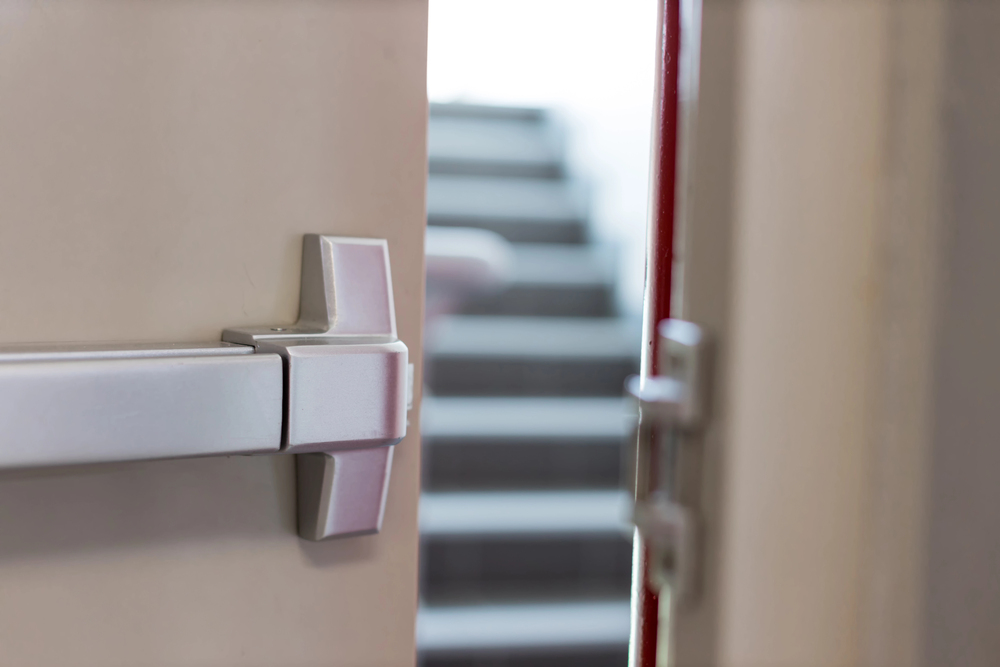
The advantages of installing fire-rated doors extend far beyond legal compliance. These safety features provide measurable benefits in various settings.
Commercial Buildings
In office buildings, retail spaces, and industrial facilities, fire-rated doors protect valuable assets while ensuring employee safety. They compartmentalize fires, reducing property damage and business interruption costs. Insurance companies often offer reduced premiums for buildings with proper fire protection systems, including fire-rated doors.
Healthcare Facilities
Hospitals and care facilities face unique challenges during fire emergencies, as many patients cannot evacuate quickly. Fire-rated doors in these settings provide critical protection for vulnerable populations and allow for safer evacuation or defend-in-place strategies.
Educational Institutions
Schools and universities benefit significantly from fire-rated doors, which protect students and staff while providing clear evacuation routes. These doors are especially important in dormitories and areas with high occupant loads.
Residential Applications
While not always required in single-family homes, fire-rated doors are increasingly common in multi-family housing, condominiums, and high-rise residential buildings. They provide residents with additional time to escape and can prevent fires from spreading between units.
Essential Maintenance and Inspection Practices
Proper maintenance is crucial for ensuring fire-rated doors perform as designed during an emergency. Regular inspections should focus on several key areas:
Monthly Visual Checks:
- Verify doors close and latch properly
- Check for damage to the door surface or frame
- Ensure no gaps exist around the door when closed
- Confirm fire door labels are visible and undamaged
Annual Professional Inspections:
- Detailed examination of all hardware components
- Testing of automatic closing devices
- Verification of proper clearances and sealing
- Documentation of any required repairs or replacements
Common maintenance issues include warped doors, damaged seals, and malfunctioning hardware. Addressing these problems promptly is essential—a fire-rated door that doesn’t close properly does not protect at all.
Making Fire Safety a Priority
Fire-rated doors represent one of the most cost-effective ways to enhance building safety and protect lives. They’re not just compliance requirements—they’re proven life-saving devices that have prevented countless tragedies over the decades.
Whether you’re planning new construction or evaluating existing buildings, don’t overlook the critical importance of proper fire door selection, installation, and maintenance. Consult with qualified fire protection professionals who can assess your specific needs and ensure your fire-rated doors will perform when lives depend on them.
The investment in quality fire-rated doors and proper maintenance programs pays dividends in safety, legal compliance, and peace of mind. When it comes to fire protection, there’s no substitute for doing things right the first time.
